English Literature and Language
Close reading, clear argument and confident writing for IB, A Level, IGCSE and Matura English students.
- Humanities Specialists
- Online & In-Person Tutoring
- Tutors Across Switzerland
- Background-Checked Tutors

Expert English Tutors for Students in Switzerland
English is the subject where students often feel they understand a text but cannot show it on the page. In IB English A, that gap appears in the Paper 1 unseen analysis, in the comparative essay on works studied for Paper 2, in the Individual Oral and, for Higher Level students, in the HL essay. A Level and IGCSE students meet the same skills in different forms: unseen poetry or prose, timed literary essays, summary and directed writing. We work on the reading itself, on building a line of argument, and on writing that analyses rather than retells. Swiss Matura students who take English, including those in bilingual classes, are welcome too.
Our English tutors include Iona, an Oxford graduate in English Language and Literature and a published children's author with HarperCollins, who has also taught English as a Foreign Language. Minnie, a Cambridge graduate with over four years' tutoring in the UK, Hong Kong and Laos, tutors English alongside Philosophy and Religious Studies, and builds personalised learning plans with detailed feedback. We don't hand families a list of profiles: after a free consultation we choose the tutor who fits the course, the texts and the student. Lessons are in English and take place online, so students anywhere in Switzerland can take part.
What our English tutoring covers
Paper 1 unseen analysis
Reading an unfamiliar poem, prose extract or non-literary text under time pressure: noticing how it works, forming a clear interpretation and organising the analysis around it, rather than listing devices line by line.
Comparative essays on studied works
Planning answers that genuinely compare two works, for IB Paper 2 and A Level comparison questions, with well-chosen references, attention to context and a thesis that holds from introduction to conclusion.
The Individual Oral
Choosing extracts and a global issue that connect both texts, structuring a focused spoken analysis and practising the follow-up discussion, so students talk about their texts with precision rather than reciting notes.
The HL essay and coursework
Developing a line of inquiry for the IB HL essay or a comparative A Level NEA, and learning to revise a draft. We question the thinking and explain the criteria; the writing is always the student's own.
IGCSE and GCSE English
Summary and directed writing, close analysis of a writer's language, descriptive and narrative composition, and literature essays on set texts, with regular practice under timed conditions and clear written feedback.
Writing that argues
Topic sentences, embedded quotations, precise vocabulary for effects and paragraphs that move an argument forward. These habits carry into every other essay subject and into university applications.
Tutors for English Literature & Language
Hand-selected specialists. We recommend the right one after a free consultation.
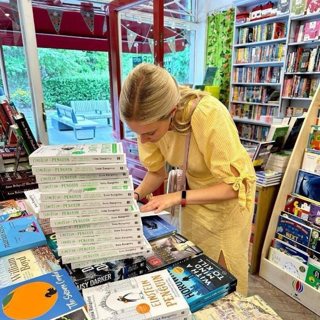
Iona
OnlineOxford English graduate and published children's author who helps students read closely and write with confidence.
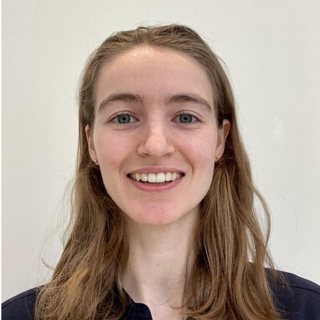
Minnie
OnlineCambridge theology and philosophy graduate who builds personalised plans and gives detailed feedback.
Frequently Asked Questions
Questions parents and students often ask about English tutoring.
What is the hardest part of IB English Paper 1?
For most students it is moving from noticing features to explaining what they do. A strong Paper 1 response starts with an interpretation of the whole text and uses detail to support it, while weaker responses list techniques in order. We practise with unseen texts across a range of text types, time the planning stage, and give written feedback on each response against the published assessment criteria, so students can see exactly what to change.
Can you help with the Individual Oral?
Yes. We help students understand the task, test whether their chosen global issue really connects both texts, and select extracts that give them enough to say. We then rehearse the talk and the teacher's follow-up questions in mock conditions. Students prepare and deliver their own oral: we don't script it, and everything they bring into the room must be their own work, within IB and school rules.
Will the tutor edit or correct the HL essay or A Level coursework?
No. We never write, rewrite or edit work a student will submit, including the IB HL essay, Individual Oral material and A Level coursework. We teach the skills behind it: framing a line of inquiry, reading critically, structuring an argument and referencing. We explain the assessment criteria and ask the questions a good supervisor asks, so the student revises their own draft. This keeps the work within IB and school rules, and the achievement stays theirs.
Do you cover A Level English for different exam boards?
Yes. Schools in Switzerland that teach A Levels use different specifications, including Cambridge International and UK boards such as AQA, Edexcel and OCR, and the set texts and paper structures differ. At the consultation we ask for the specification and the texts, and the tutor works from those. The core skills are shared: close reading, comparing texts, using context and critical views well, and writing a sustained argument in timed conditions.
Is English tutoring useful if English is not the language spoken at home?
Often, yes. Many students in Switzerland study IB English A or IGCSE First Language English while speaking French, German or another language at home. They usually understand the texts well but lose marks on precision and register. Iona's experience teaching English as a Foreign Language helps here. We work on academic vocabulary, sentence control and the specific language of literary analysis, alongside the content of the course.
Do you support English for the Swiss Matura?
Yes, in the form your school sets it. English is taught and examined differently from school to school, so we start with the reading list and the type of written and oral exam the student will sit. Common needs are essays on set novels and plays, commentary on an unseen passage, and speaking fluently about literature. Students in bilingual Matura classes taught partly in English can also get support with essay writing.
How do online English lessons work?
Lessons take place on a video call with a shared document or whiteboard, so the tutor and student can annotate a poem or a paragraph together in real time. Students send essays and practice responses between sessions for written feedback. Our English tutors currently teach online, which means we can match students anywhere in Switzerland with the right specialist. In-person lessons are possible only where a suitable tutor lives nearby.
How do you choose the right English tutor?
We start with a free consultation to learn about the course, the exam board or IB level, the texts studied and what the student finds difficult. We then hand-select a tutor whose background fits, for example an Oxford English graduate for a literature-heavy Higher Level course. Every tutor is interviewed and background-checked. Once lessons start, we stay involved with regular reviews and feedback, and if the match isn't right, we change it.
Still have questions? We're happy to talk them through.
A More Personal Approach
Unlike tutor marketplaces, we take time to understand your needs, match you with a specialist tutor, and stay involved to make sure the support is right.
- Browse profiles yourself
- No vetting
- Algorithm matching
- No quality guarantee
- Pay per hour to strangers

- Tutors hand-selected by us
- Interviewed & background-checked
- Personal consultation
- Ongoing reviews and feedback
- Coaching that respects academic integrity
Our personal approach to producing results is simple:
Consultation
We take time to understand your goals, curriculum, deadlines and learning style.
1Tutor Matching
We hand-select a specialist tutor who fits your subject, level, language and personality.
2Ongoing Review
We stay involved with regular feedback and adjust the programme as needed.
3Ready To Get Started?
If you're ready to get started, book a consultation and we'll recommend the right tutor for your subject, curriculum and level.