Philosophy and Religious Studies
Clear arguments, careful reading and well-built essays for IB, A Level, GCSE and Matura students.
- Humanities Specialists
- Online & In-Person Tutoring
- Tutors Across Switzerland
- Background-Checked Tutors

Expert Philosophy and RS Tutors for Students in Switzerland
Philosophy and Religious Studies ask students to read difficult arguments accurately, explain them in their own words and then evaluate them. Many students find the ideas fascinating but struggle to turn discussion into a structured essay. In IB Philosophy, that means a core theme on being human, optional themes such as ethics or philosophy of religion, a prescribed text and, at Higher Level, an unseen text on the nature of philosophy itself. A Level Religious Studies and Philosophy cover areas such as philosophy of religion, ethics and epistemology. We work on reading primary texts, building clear arguments and answering objections, so essays reach a reasoned conclusion.
Our lead tutor for these subjects is Minnie, a Cambridge graduate in Theology, Religion and Philosophy of Religion with over four years' tutoring. She has taught students in the UK, Hong Kong and Laos, and builds personalised learning plans, bespoke materials and detailed feedback. Daragh, also a Cambridge graduate, tutors across the humanities and encourages questions and discussion, which suits philosophy well. We also support Matura students taking philosophy and, in general terms, French Bac philosophie. After a free consultation we choose the right tutor. Lessons are online, so students anywhere in Switzerland can take part.
What our Philosophy and RS tutoring covers
Reading philosophical texts
Working through a prescribed or set text, often a classic work by a philosopher such as Plato, Descartes or Mill, section by section, so students can reconstruct its arguments accurately and quote it with purpose.
Building and testing arguments
Setting out premises and conclusions clearly, spotting hidden assumptions, raising strong objections and replying to them. This is the core skill in every philosophy and religious studies course, and in TOK.
Ethics and philosophy of religion
Normative theories such as utilitarianism, Kantian ethics, virtue ethics and natural law, applied ethics, arguments for the existence of God, the problem of evil and debates about religious language.
Essay planning and exam technique
Turning a broad question into a clear thesis, structuring paragraphs that argue rather than describe, and managing time across several essays, with written feedback on practice answers against the assessment criteria.
The IB Philosophy IA
Choosing a non-philosophical stimulus, identifying the philosophical issue it raises and planning an analysis. We explain the criteria and question the reasoning; the submitted work is always the student's own.
Matura and French Bac philosophy
The method behind Matura philosophy courses and, in general terms, the Bac dissertation and explication de texte: building a problem from the question, planning in parts and arguing towards a conclusion.
Tutors for Philosophy & Religious Studies
Hand-selected specialists. We recommend the right one after a free consultation.
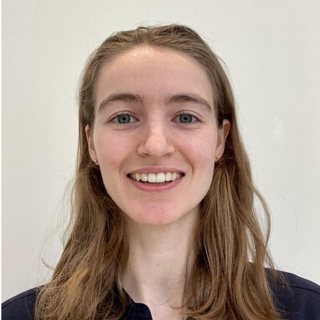
Minnie
OnlineCambridge theology and philosophy graduate who builds personalised plans and gives detailed feedback.
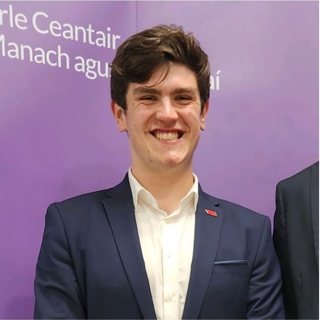
Daragh
OnlineCambridge-educated humanities and social sciences tutor who starts with a diagnostic and keeps parents closely involved.
Frequently Asked Questions
Questions we are often asked about Philosophy and Religious Studies tutoring.
What makes a good philosophy essay?
A clear position, argued for. Strong essays explain the relevant arguments accurately, then evaluate them: raising serious objections, considering replies and reaching a justified conclusion. Weaker essays summarise what different philosophers said without taking a view. We teach students to plan around their own line of argument, to use thinkers as evidence rather than as a list, and to write paragraphs that each do a clear job in the argument.
What does IB Philosophy involve?
The current course is built around a core theme on being human, optional themes such as ethics, epistemology, political philosophy or philosophy of religion, and a prescribed philosophical text. Higher Level students also respond to an unseen text about the nature of philosophy itself, and all students complete an internal assessment analysing a non-philosophical stimulus. We help with each component, working from the themes and the text the school has chosen.
Will the tutor help write the IB Philosophy IA or a coursework essay?
No. We never write, rewrite or edit work a student will submit, whether that is the IB Philosophy internal assessment, an Extended Essay in Philosophy or World Religions, or a school coursework essay. We teach the skills instead: identifying the philosophical issue in a stimulus, structuring an analysis and evaluating arguments. We explain the criteria and ask probing questions, and the student plans and writes their own work within IB and school rules.
Do you cover A Level Religious Studies and Philosophy?
Yes. A Level Religious Studies usually combines philosophy of religion, religion and ethics, and the study of a religious tradition, though the papers depend on the exam board. A Level Philosophy covers areas such as epistemology, moral philosophy, the metaphysics of God and the philosophy of mind. Minnie's Cambridge degree in Theology, Religion and Philosophy of Religion fits these courses closely. We also support GCSE and IGCSE Religious Studies.
Can you help with Matura philosophy or Bac philosophie?
In general terms, yes. Philosophy appears in the Swiss Matura in different forms depending on the canton and the school, and French Bac students sit a philosophy exam in their final year. The skills overlap: understanding a problem, structuring an argument and engaging closely with texts. Lessons are usually in English, so tell us at consultation if they need to be in French or German, and we will say honestly whether we have a suitable tutor.
Does philosophy tutoring help with TOK?
Often. TOK is not a philosophy course, but it draws on the same habits: questioning claims, distinguishing kinds of knowledge, weighing perspectives and building an argument with real examples. Students who study philosophy can carry those skills into the TOK essay and exhibition. We can support both, with the same rule for TOK as for all coursework: the essay and exhibition are the student's own work, which we never write or edit.
How do online philosophy lessons work?
Philosophy suits online lessons well, because so much of it is reading and discussion. On a video call the tutor and student can read a passage together, map an argument on a shared whiteboard and plan an essay side by side. Essays are sent between sessions for detailed written feedback. Our philosophy tutors currently teach online, so students anywhere in Switzerland can work with them. In-person lessons are possible only where a suitable tutor lives nearby.
How do you choose the right tutor for Philosophy or RS?
We start with a free consultation about the course, the exam board or IB themes, the set texts and where the student is finding things hard. We then hand-select an interviewed, background-checked tutor whose background fits. For a theology-heavy Religious Studies course that is often Minnie; for a student who thinks best through debate, Daragh's discussion-based style may suit. We stay involved with regular reviews and feedback once lessons begin.
Still have questions? We're happy to talk them through.
A More Personal Approach
Unlike tutor marketplaces, we take time to understand your needs, match you with a specialist tutor, and stay involved to make sure the support is right.
- Browse profiles yourself
- No vetting
- Algorithm matching
- No quality guarantee
- Pay per hour to strangers

- Tutors hand-selected by us
- Interviewed & background-checked
- Personal consultation
- Ongoing reviews and feedback
- Coaching that respects academic integrity
Our personal approach to producing results is simple:
Consultation
We take time to understand your goals, curriculum, deadlines and learning style.
1Tutor Matching
We hand-select a specialist tutor who fits your subject, level, language and personality.
2Ongoing Review
We stay involved with regular feedback and adjust the programme as needed.
3Ready To Get Started?
If you're ready to get started, book a consultation and we'll recommend the right tutor for your subject, curriculum and level.