IB Theory of Knowledge
Specialist one-to-one support for the TOK essay, the exhibition and the thinking behind both, from tutors who know how TOK is assessed.
- Humanities Specialists
- Online & In-Person Tutoring
- Tutors Across Switzerland
- Background-Checked Tutors

Expert TOK Tutors for IB Students in Switzerland
Theory of Knowledge asks students to step back from what they know and examine how they know it. Many find it the hardest part of the Diploma to pin down: there is no textbook answer, and marks depend on precise argument rather than recall. Our tutors help students turn interesting ideas into knowledge questions, build arguments with real examples from their own subjects, and understand what examiners reward in the essay and the exhibition. We work on the thinking and the criteria. The essay and the exhibition commentary stay entirely the student's own work, written in their own words.
TOK is taught by tutors who have studied the questions it raises at university level. Minnie read Theology, Religion and Philosophy of Religion at Cambridge and builds personalised plans with detailed feedback. Daragh, also a Cambridge graduate, starts with a diagnostic worksheet and teaches through questions and discussion, which suits a subject built on debate. Ossie, who took a double first in History at Cambridge, brings real depth on history as an area of knowledge. After a free consultation we choose the tutor who fits your child's school, timeline and way of thinking. Lessons run online in English, and French is possible with some tutors.
What our TOK tutoring covers
Knowledge questions
Turning a topic into an open, contestable question about knowledge itself, and learning the difference between a knowledge question and a question that belongs to history, science or ethics.
The TOK essay
Unpacking the prescribed title, defining key terms, planning claims and counterclaims, and choosing examples from the areas of knowledge that genuinely test the argument rather than decorate it.
The TOK exhibition
Choosing objects with a specific real-world context, linking each one clearly to a single prompt, and explaining those links with precision rather than general description.
Themes and areas of knowledge
Working confidently with the core theme, the optional themes and the areas of knowledge, so students can compare how history, the natural sciences or the arts produce and test knowledge.
Using your own subjects
Drawing examples from the student's own Diploma subjects, CAS and life in Switzerland, which makes arguments more personal, more convincing and far harder to mistake for generic content.
Understanding the criteria
Reading the assessment instruments together, practising with past prescribed titles, and learning to judge their own thinking against the criteria before their TOK teacher sees the work.
Our academic integrity promise
Our tutors never write, rewrite or edit work that will be submitted. They teach the skills, explain the criteria and question the thinking, so the finished work is entirely the student's own and stays within IB and school rules.
Tutors for Theory of Knowledge (TOK)
Hand-selected specialists. We recommend the right one after a free consultation.
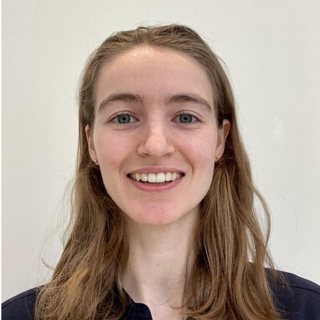
Minnie
OnlineCambridge theology and philosophy graduate who builds personalised plans and gives detailed feedback.
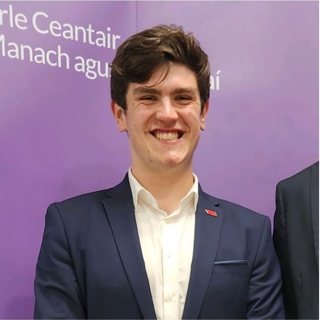
Daragh
OnlineCambridge-educated humanities and social sciences tutor who starts with a diagnostic and keeps parents closely involved.

Ossie
OnlineDouble first in History from Cambridge, now a research scholar, and fluent in French.
Frequently Asked Questions
Answers to the questions families ask us most often about TOK tutoring.
What does TOK assessment involve?
TOK has two assessed parts. The exhibition is assessed by the school: students select three objects and explain how each one connects to a single prompt from the list the IB provides. The essay is assessed externally: students respond to one of the prescribed titles the IB publishes for each exam session, within a strict limit of 1,600 words. Schools set their own internal deadlines for both, often well ahead of the IB's dates.
How do TOK and the Extended Essay affect the Diploma score?
TOK and the Extended Essay are each graded from A to E, and together they can add up to three points to the Diploma total through the IB's points matrix. A grade E in either one is a failing condition for the Diploma. That makes TOK worth taking seriously early: a strong grade eases pressure elsewhere, while a weak one can put the whole Diploma at risk.
Has TOK changed with the revised DP core?
The revised DP core, first assessed in 2027, brings its biggest changes to the Extended Essay, with a new guide and new criteria. The TOK essay and exhibition keep their familiar structure, but the IB publishes new prescribed titles for every session and updates its guidance over time. Our tutors work from the documents your child's cohort is actually assessed on, and check with the student's school if anything is unclear.
Will the tutor write or correct my child's TOK essay?
No. We never write, rewrite or edit work a student will submit, and that includes the TOK essay and the exhibition commentary. What we do is teach: we question the student's argument, test their examples, explain the assessment criteria and help them plan and revise their own work. This keeps everything within IB rules and means the student can defend every sentence, because every sentence is theirs.
When is the best time to start TOK tutoring?
Ideally during the first year of the Diploma, while the course is building ideas and students begin thinking about the exhibition. Starting then leaves time to practise knowledge questions before anything counts. Many families come to us later, once the prescribed titles are released and the essay deadline is close. We can still help a great deal at that stage, focusing on understanding the title, sharpening the argument and planning time well.
My child is strong in other subjects but struggles with TOK. Is that normal?
Very. TOK rewards a different skill from most subjects: asking how knowledge is produced and justified, rather than knowing the content. Students who do well in the sciences sometimes find this frustrating at first. A good tutor helps them see TOK as an argument about evidence and method, which is often familiar territory, and shows them how to use what they already know from their own subjects as examples.
How do online TOK lessons work?
Lessons take place one to one on video, with a shared screen for the prescribed title, the student's plan and the assessment criteria. TOK suits online teaching well, since most of the work is discussion, questioning and planning. Sessions are usually weekly, with more frequent lessons near deadlines if the student wants them. Our TOK tutors teach online, so students anywhere in Switzerland can work with the tutor who fits them best.
How do you choose the right TOK tutor?
We start with a free consultation to understand your child's school, their TOK deadlines, their Diploma subjects and how they like to learn. We then hand-select a tutor rather than asking you to browse profiles. A student whose essay leans on ethics or religion might work with Minnie, while one drawing heavily on history might work with Ossie. We stay involved with regular reviews, and if the match isn't right, we change it.
Still have questions? We're happy to talk them through.
A More Personal Approach
Unlike tutor marketplaces, we take time to understand your needs, match you with a specialist tutor, and stay involved to make sure the support is right.
- Browse profiles yourself
- No vetting
- Algorithm matching
- No quality guarantee
- Pay per hour to strangers

- Tutors hand-selected by us
- Interviewed & background-checked
- Personal consultation
- Ongoing reviews and feedback
- Coaching that respects academic integrity
Our personal approach to producing results is simple:
Consultation
We take time to understand your goals, curriculum, deadlines and learning style.
1Tutor Matching
We hand-select a specialist tutor who fits your subject, level, language and personality.
2Ongoing Review
We stay involved with regular feedback and adjust the programme as needed.
3Ready To Get Started?
If you're ready to get started, book a consultation and we'll recommend the right tutor for your subject, curriculum and level.